
At last! Summer is here. Bring on the long, lazy days outdoors under the African sun. Having fun under the sun is awesome but please take measures to protect yourself and your family from sunburn and heatstroke, even if you have toned or dark skin.
- Drink plenty of water to avoid dehydration.
- Wear a minimum of 30 SPF factor sunscreen and re-apply every two hours, especially if swimming or sweating. Don’t forget the ears, lips, and the places that are hard to reach to apply sunscreen on your own.
- Seek shade or cover up during peak sun times between 10 am and 4 pm.
- Wear a wide-brimmed hat, and sunglasses that block at least 99 percent of UV light.
Too much sun?
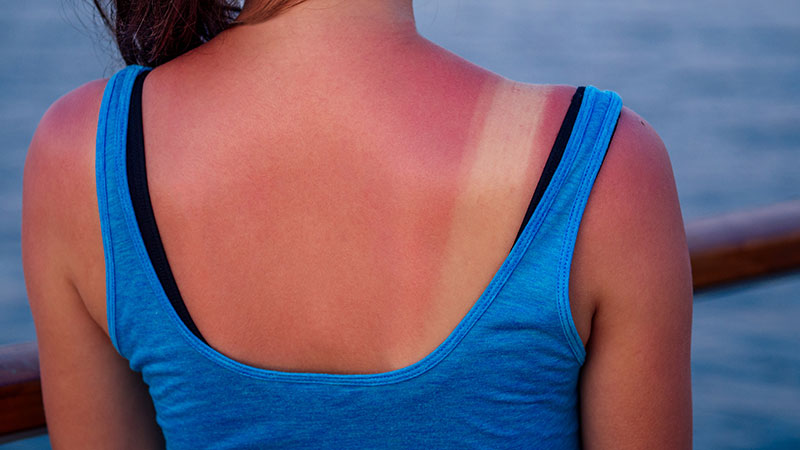
Sunburn presents differently for people with lighter and darker skins. Lighter skin will typically look red and feel hot, painful, or tight. People with a darker skin tone may not notice any redness, but their skin may feel hot, sensitive, and itchy. Sunburn usually heals on its own within a week but severe cases of sun exposure can lead to dangerous heat strokes. An icy cold bath may help, but contact a healthcare provider, or emergency services if your sunburn includes:
- a high temperature
- shivering
- blistering or swollen skin
- feelings of tiredness, dizziness, or nausea
- headaches
- muscle cramps
Cancer warning
We all know that too much sun can cause skin cancer. Even though the sun is not the only culprit, you need to be aware of the following signs as early detection is critical when having to deal with Cancers:
- moles or spots that change in appearance in any of these ways: size, colour, irregular border, shape (assymetric).
- a new mole, spot, or lesion that looks or feels different to any others on your skin
- patches that are flat, crusty, or reddish
- raised sores or bumps that itch, bleed, or ooze
- unusual-looking skin patches that don’t heal
- pigment spots on hand palms, foot soles, or under the nails – dark areas that spread or appear irregular in shape.
People with darker skin tones are more susceptible to a type of cancer called acral lentiginous melanoma (ALM) which presents as spots in slightly hidden places, such as:
- the hands
- soles of the feet
- under the nails
- dark spots, growths, or patches that appear to be changing
- patches that feel rough and dry
- dark lines underneath or around fingernails and toenails
You should check your skin once a month and ask someone to check the areas you can’t easily see. Visit a dermatologist at least once a year for a check up to detect or monitor imperfections.
If you are concerned about any skin issue, consult a health professional at a medical practice or community clinic.
LifeAssist health coaches are available during business hours to offer telephonic health education and advice.
Enjoy the great outdoors but remember to stay sun safe!