
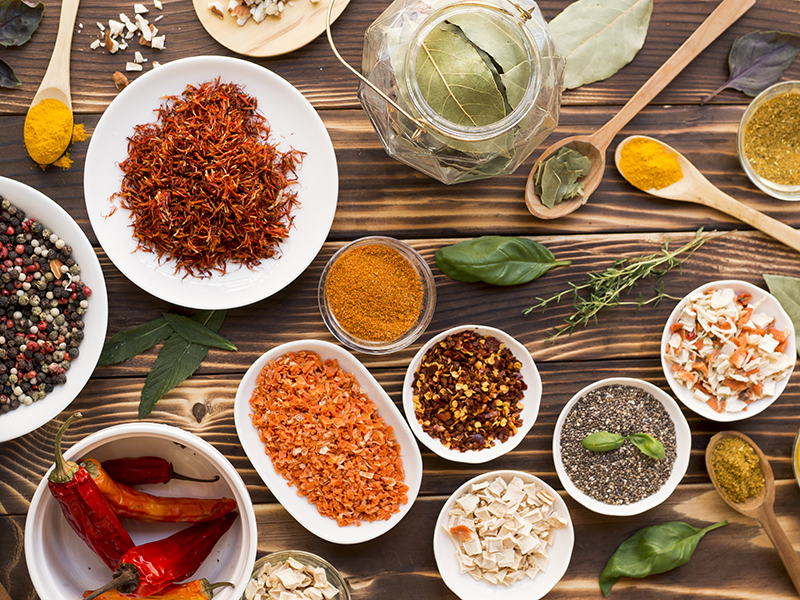
 There are many examples of where small things can make a difference, such as the impact of a bright smile! Herbs and spices may be small things, but they too, can pack a nutrient punch.
GARLIC
Potential benefits
- Has antibacterial, antiviral and antifungal function – may stimulate the immune system
- Reduces blood clotting
- Possible cholesterol lowering effect
- Can be used as a disinfectant because of its bacteriostatic and bacteriocidal properties
Practical usage
Bulb garlic is available in many forms, including fresh, frozen, dried and shelf stable products (in tubes or jars). Garlic bulbs are normally divided into numerous fleshy sections called cloves. They have a characteristic pungent, spicy flavour that mellows and sweetens considerably with cooking.
Interesting facts
The active ingredients in garlic include allin and allicin. Allin gives garlic its characteristic taste and the sulphate, allicin, gives garlic its infamous odour. Allicin is responsible for the cholesterol-lowering effects of garlic.
Caution: Possible side-effects include bad breath and body odour.
Tips
- An easy way to peel garlic cloves is to press down firmly with the side of a knife until you feel the clove burst. This makes it easier to peel the clove.
- Garlic is commonly added at the start of dishes and lightly fried in oil. It can also be added after cooking such as finely chopped into salad dressing or vegetables.
- Garlic may be applied to breads to create a variety of classic dishes, such as garlic bread, garlic toast, bruschetta, crostini and canapés.
- Cloves of garlic can be roasted whole.
- Oils can be flavoured with garlic cloves. These infused oils can be used to season vegetables, meats and pasta.
GINGER 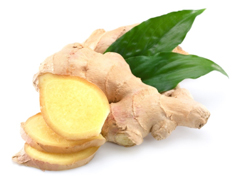
Potential benefits
- Improves digestion and related problems
- Relieves nausea associated with motion sickness, morning sickness and vertigo
- May stimulate circulation and have a warming effect
- May have blood thinning and cholesterol lowering properties
Practical usage
Ginger produces a hot, fragrant kitchen spice. Fresh ginger root may be peeled before eating. Powdered dry ginger root is typically used as flavouring in recipes for gingerbread, cookies, crackers and cakes, ginger ale and ginger beer. In China, sliced or whole ginger root is often paired with savoury dishes such as fish, and chopped ginger root is commonly paired with meat, when it is cooked.
Interesting facts
This ancient spice can improve sluggish digestion and reduce gas. But its real claim to fame is its ability to prevent and treat nausea and vomiting caused by pregnancy, motion sickness or certain medications. Ginger acts as a useful food preservative.
ROSEMARY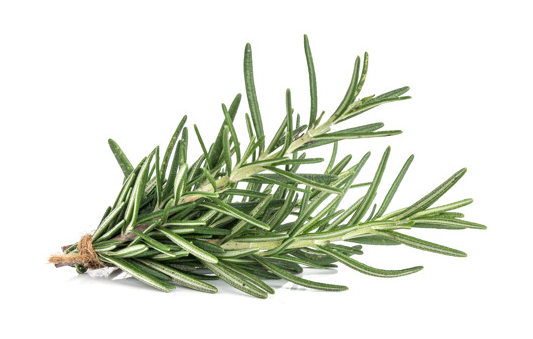
Potential benefits
- Adds a lot of flavour, so helps to reduce the use of salt in the management of hypertension
- Improves blood flow to the brain, which can improve concentration and memory
Practical usage
Dried rosemary tends to disintegrate after imparting its flavour, so you are not left with chewy bits of rosemary leaves in your dish. Fresh rosemary can be used, but remove the leaves and stalks before serving. Rosemary is easy to dry; just hang the sprigs upside down until they have completely dried.
Rosemary enhances the flavour of many types of meat, including lamb, pork and chicken. Simply place a few sprigs of fresh rosemary or sprinkle dried rosemary on top of the meat before roasting.
A few sprigs of rosemary placed in the roasting dish with a medley of vegetables and garlic will really boost their flavours.
Disclaimer
Consult your doctor before using any of the herbs and spices mentioned in this booklet, especially if you are pregnant, breastfeeding, suffer from a chronic disease or are on any medication.