
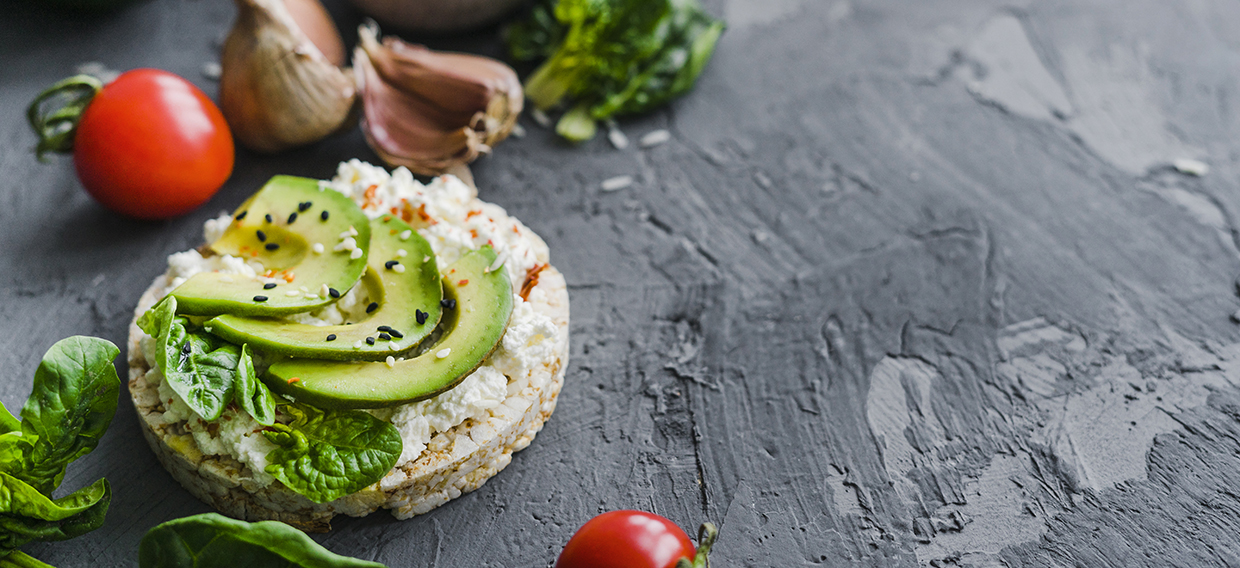
While snacking can curb your hunger in between meetings, and till your next meal, mindless munching can see you raking in too many calories – and dropping in energy levels.
Research shows that eating every four hours helps to keep your metabolism charged and your energy level high. Become smart about your snacking so that you keep your calories low and your energy levels high.
Smart snacking tips;
- A smart snack should fit into your hand. After all it is a snack and not a meal! If needed, two to three snacks can replace a meal.
- A snack should contain about 500kJ for women; 750kJ for men.
- The fat content should be about 10g per snack (although for weight loss closer to 5g is better).
- The fibre content should preferably be at least 2g fibre per snack.
The South African Food-based Dietary Guidelines, provides the following tips to keep your energy levels up;
- Have breakfast daily, within 1 hour of waking up.
- Enjoy a variety of foods by having 5 to 6 small meals a day.
- Get moving.
- Eat plenty of fruit and vegetables daily.
- Eat fats sparingly, but include good fats such as nuts, seeds, olives and avocados.
- Drink ± 2 litre of water a day.
- Limit coffee and tea to 3-4 cups a day. This does not apply to Rooibos/herbal teas. Rooibos and herbal teas, sugarless, can form part of your water intake.
- Limit alcohol 1-2 units a day. A unit is 125ml wine, 340 ml beer or 1 tot of spirits.
What to stash in your drawer;
- Jar of sugar- and salt-free peanut butter or nut butter
- Packet(s) of unsalted raw nuts and/or seeds (30g)
- Tined Tuna, Sardines or Pilchards
- Popcorn (lightly salted)
- Processed cheese wedges (low fat)
- Dried fruit/ fruit bars (30-40g)
- Provitas, Crackerbread, Ryevita or Rye Bread
- Fruit (which you can buy fresh for the week)
- Packet of Pretzels (baked, 50g)
- Jungle oats, Raw (Non-honey coated) muesli
- Health bars or Low GI cereal bars
- Homewheat digestive biscuits
- Rice cakes
- Sunflower seeds
Greek yoghurt, feta cheese, cottage cheese, tzatziki or reduced fat hummus, raw vegetables and drinking yoghurt – are also great options if you have access to an office fridge.
Homemade Granola Bars
Health bars are great, but often has an excess sugar in it. When shopping for health bars – look for ones with as few ingredients as possible and choose bars with fewer than 10 grams of sugar.
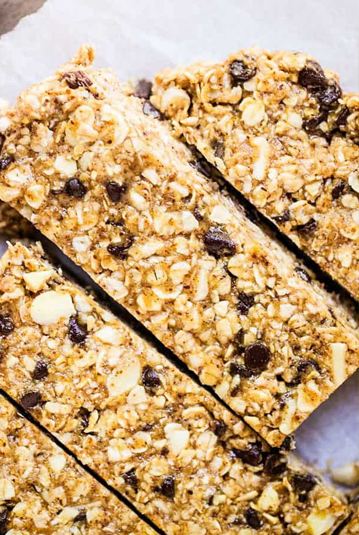
Ingredients
- 2 cups rolled oats
- ½ cup toasted sunflower or pumpkin seeds
- ½ cup dried fruit of your choice (raisins, chopped dates, chopped dried apricots, or a mixture)
- ½ cup almonds, chopped
- ⅓ cup peanut butter
- ⅓ cup honey
- ¼ teaspoon cinnamon
- ½ teaspoon vanilla
Preparation
- Butter a 20cm x 20cm pan, and preheat oven to 180°C.
- Mix almonds with the rolled oats and seeds, and toast in the oven for 10 minutes in the buttered pan or until fragrant.
3. Meanwhile, in a small saucepan, melt peanut butter and honey on medium-low heat, stirring constantly. When melted, add cinnamon and vanilla.
4. Place toasted oats, nuts, and seeds in a large bowl. Add dried fruit and pour peanut butter and honey mixture over everything. Mix thoroughly with hands or a wooden spoon.
5. Press into a pan and chill in the refrigerator until firm. Slice into 12 bars and wrap each in waxed paper or plastic.
More Smart Snack Ideas
- Apple with a teaspoon of sugar- and salt-free peanut butter
- x2 cups of popcorn
- Provitas with processed cheese wedges (add slices of tomato and cucumber)
- 30g of seeds in 125ml of Greek yoghurt
- Drinking yogurt – no more than 300ml
- 30g of unsalted raw nuts
- Raw veggies (like carrots, cauliflower, tomatoes, cucumber etc.) with x2 tablespoon of tzatziki or reduced fat hummus
- Half an avo and x2 rye crackers