
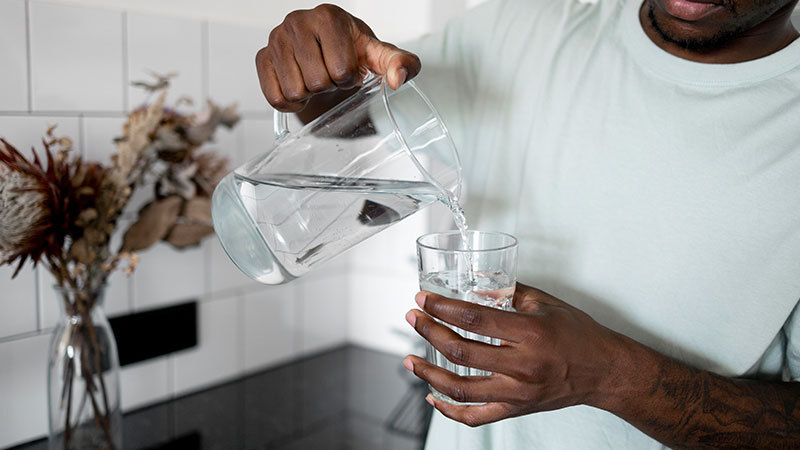
“Tap water is not safe to drink”. If you have been happily consuming tap water, the recent announcement by various municipalities might have taken you by surprise, and when you find out why, it might even add to the frustration caused by loadshedding.
You expect to be cautious and prepare your drinking water in rural areas – especially when natural water sources may be stagnant or water is being piped from rivers, dams, or reservoirs through primitive pumping systems. But now we must face reality – water quality is compromised in urban areas, too.
In recent months health professionals reported a widespread outbreak of diarrhoea or ‘tummy bugs’ that are not responding to the usual treatment, and they are boiling it down to our water supply. Samples taken at water treatment plants and outlet points reveal unhealthy evidence of contaminants – particularly E. coli and salmonella.
Why now?
The experts are putting this down to loadshedding. When water purification systems cannot operate fully or have insufficient backup power to run all their treatment processes, it impacts their ability to treat and process water efficiently.
The problem has also been compounded by deteriorating pipelines and other infrastructure and recent widespread flooding that brings an added threat of cholera that can be carried downstream from countries with reported outbreaks.
So, what can we do about it?
Be waterwise. We need to make it a daily habit to ensure that we have sufficient water that is safe for drinking, preparing food that will be eaten raw, and personal hygiene (e.g., brushing our teeth).
Here are 3 basic options for you to consider:
- Boiling: Whether you are at home, or travelling, the most basic step you can take to ensure safe drinking water, is to boil it. Boiling the water for one minute will kill most harmful pathogens that could cause illness. Let it cool, and then store the treated water in a container that has been cleaned with purified water. It is also important to wash your eating utensils in very hot water with dishwashing liquid and a dash of bleach.
- Filtration: Another option is to use a water filter to purify your water. Different types of filters (e.g., carbon and semination) are part of a container or plumbed into the water system. Remember that not all water filters will remove all germs (pathogens), so you need to do your homework and choose a filter rated to remove bacteria, protozoa, and viruses, and not remove all the healthy minerals.
- Chlorination/Iodation: In urban areas, tap water has already been treated at some level with chemicals. However, rural areas have a more difficult time securing a steady supply of water – let alone safe drinking water; so more precautions should be taken before drinking it. If you are in a remote area or taking a break, hiking or camping, you can also use a chemical treatment like chlorine or iodine, but it is essential to use the correct dosage. Water purification tablets or sachets can be found at stores that sell goods for outdoor experiences.
As we’ve mentioned, you can never be certain where your water is coming from or how it has been treated. Contamination in municipal areas will also not always be made public, so having a water purification plan in place is important in ensuring you remove any harmful bacteria that can cause illness, stomach aches, vomiting and diarrhoea.
After all, we can’t live without water – and good quality and quantity of water is essential for good health. 7 easy ways to stay hydrated – Sun International (One Sun Wellness!) (yourlifeassist.co.za)
If you need more guidance or feel that loadshedding stress is rising, tap into professional advice from a health coach, or let off steam with a counsellor at LifeAssist.