
Inflammation is the body’s defence mechanism that aims to destroy harmful organisms that enter our body and trigger healing when we are injured. When the immune system identifies a threat to our body, it releases chemicals that promote blood flow to the affected area, causing redness, warmth, and swelling. This is referred to as acute inflammation – a crucial part of the body’s healing process. When the threat is under control, inflammation should subside.
However, when inflammation is triggered often and/or is uncontrolled, it becomes chronic. This can lead to tissue damage and contribute to various health issues. Chronic inflammation has been linked to conditions such as rheumatoid arthritis, osteoarthritis, inflammatory bowel disease, cardiovascular disease, and certain types of cancer.
The Link Between Food and Inflammation
Many things can contribute to inflammation in the body – like lifestyle, stress, and foods. Diet plays a significant role in regulating inflammation levels in the body. Certain foods can promote inflammation, while others have anti-inflammatory properties. By making mindful choices about what we eat, we can reduce chronic inflammation and potentially get some relief from symptoms that present with inflammatory conditions.
Foods That Cause Inflammation (Pro-inflammatory)
- Processed Foods: Processed foods are high in refined carbohydrates, unhealthy fats, and additives. Examples include sugary snacks, processed meats, fried foods, and fizzy drinks which are low in essential nutrients but high in pro-inflammatory compounds.
- Sugar and High-Fructose Corn Syrup: Unhealthy levels of sugar and high-fructose corn syrup are found in soft drinks, candies, pastries, and other sugary treats. These ingredients are well-known for triggering the body’s inflammatory response.
- Trans Fats: Artificial trans fats, commonly found in margarine, fast food, fried foods, and packaged snacks, cause inflammation and increase the risk of heart disease.
- Refined Grains: Refined grains like white bread, white rice, and pasta have undergone processing that removes most of their beneficial nutrients and fibre, leaving behind a starchy product that can spike blood sugar levels.
Foods That Reduce Inflammation
- Fatty Fish: Fatty fish like salmon, mackerel, and sardines are rich in omega-3 fatty acids, which have powerful anti-inflammatory properties. These fatty acids help reduce the production of inflammatory compounds in the body.
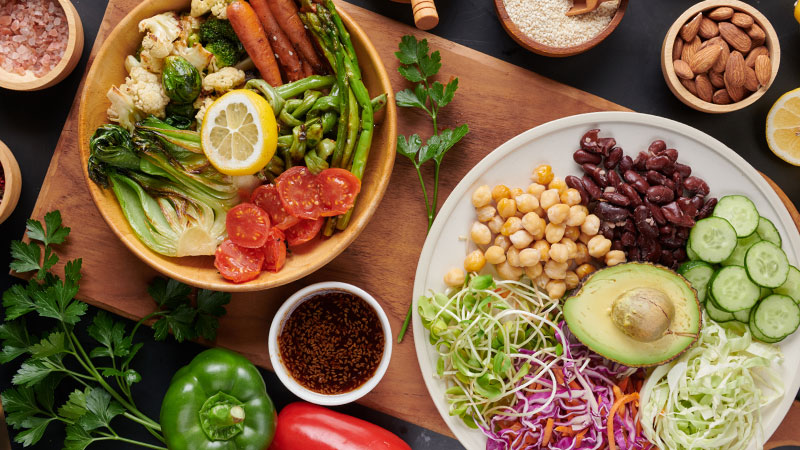
- Fruits and Vegetables: Colourful fruits and vegetables are packed with antioxidants and phytonutrients that can help fight inflammation. Berries, leafy greens, broccoli, tomatoes, and bell peppers are excellent choices.
- Nuts and Seeds: Almonds, walnuts, flaxseeds, and chia seeds are rich in healthy fats, fibre, and antioxidants, all of which have anti-inflammatory effects. They make for nutritious snacks or additions to meals.
- Extra Virgin Olive Oil: Extra virgin olive oil contains compounds with anti-inflammatory effects. Use it as a primary source of fat in cooking or as a dressing for salads and vegetables.
Practical Tips for an Anti-Inflammatory Diet
- Emphasise Whole Foods: Focus on eating whole, unprocessed foods such as fruits, vegetables, whole grains, lean proteins, and healthy fats. These provide essential nutrients and help reduce inflammation.
- Minimise Processed Foods: Limit your intake of processed foods, sugary snacks, and beverages, as they tend to promote inflammation and offer little nutritional value.
- Incorporate Omega-3 Fatty Acids: Include fatty fish like salmon or mackerel in your diet at least twice a week. If you’re vegetarian or vegan, consider plant-based sources of omega-3s such as flaxseeds, chia seeds, and walnuts.
- Opt for Healthy Cooking Methods: Instead of deep-frying, choose baking, grilling, or steaming. These methods help retain nutrients and minimise the formation of harmful compounds.
- Spice It Up Turmeric, ginger, garlic, and cinnamon possess anti-inflammatory properties. Incorporate these spices into your cooking or enjoy them in teas and smoothies.
By reducing the consumption of pro-inflammatory foods and incorporating anti-inflammatory options into your meals, you can potentially alleviate symptoms and support overall wellbeing. Call LifeAssist to connect you to a registered dietitian for a personalised eating plan.