
Myth: People who are poor, or are heavy smokers, or consume alcohol are most at risk of being infected with TB
Fact: TB can infect anyone, especially if they have a weak immune system, and/or are exposed to crowds in poorly ventilated spaces for extended time. Infants, children, and the elderly are at higher risk than others.
Myth: TB is a lung disease (pulmonary TB)
Fact: TB in the lungs (pulmonary TB) is the most common form, but TB can also infect the rest of the body – outside the lungs (extrapulmonary TB) – like lymph nodes, bones and joints, brain and spinal cord, kidneys, bladder, or reproductive organs.
Myth: TB is not curable
Fact: TB is treatable and curable when people stick to the treatment plan and receive support from the community and healthcare provider.
Let’s talk about the facts:
While Tuberculosis (TB) is more commonly found in more overcrowded conditions and transmitted more easily to immunocompromised individuals, it continues to pose a significant public health challenge in the low- and middle-income countries (LMIC), globally. All it takes is a droplet of fluid from an active TB patient to transmit the disease to another person.
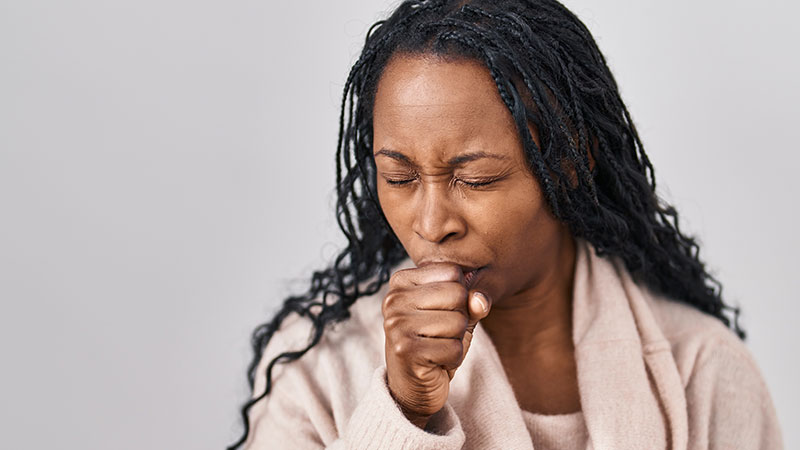
TB is caused by a type of bacteria that can be spread through the air when an infected person coughs, sneezes, speaks, spits or sings, or through contact with other bodily secretions or fluids from the skin or genitals.
TB presents in two main forms: latent TB, where the bacterium lies inactive in the body, and active TB where it shows up in symptoms.
- Latent TB is asymptomatic (there are no signs) and is not contagious (can’t be passed on in this form), yet it holds the potential to develop into active TB, which usually manifests as persistent cough, fever, and weight loss.
- Active TB requires immediate medical treatment as it poses serious health risks to the infected person and can spread easily to others.
TB is curable with a prescribed antibiotic regimen lasting at least 6-9 months. This treatment only works when it is taken as prescribed by the TB Clinic – the correct dose at the same time, every day. It is vital to finish the course of antibiotics even after the symptoms pass and the patient feels better. Incomplete treatment can lead to drug-resistant strains, which complicate recovery and the ability to control the disease.
Drug resistance is a critical concern in TB management. Mismanagement or misuse of TB medications can lead to multidrug-resistant TB (MDR-TB) and extensively drug-resistant TB (XDR-TB) strains that are significantly more challenging to treat, with life-threatening consequences to the individual and the whole community.
There are many and varied side-effects of the antibiotic medication, ranging from nausea and vomiting, dehydration, itchy skin, jaundice, and loss of appetite, which can discourage patients from taking the medication. It is important to let the TB Clinic know about these side-effects immediately so that they help you to deal with them correctly. Don’t take it upon yourself to stop taking the TB medication!
It is important to understand that recovery from TB is not dependent on medication adherence alone – emotional support, nutrition, exercise, and avoiding harmful substances play supportive roles in strengthening the immune system and helping a person to recover and restore their strength.
The stigma associated with TB can also be a barrier for people to come forward to test, get medical help, or to follow the treatment plan. Through education we aim to encourage empathy and invite communities to work together with healthcare providers to end TB.
The bottom line is that TB is a treatable and curable disease when there is a coordinated and informed response from patients, healthcare providers, and the community.
If you are unwell and cannot explain it, you are strongly advised to test for TB as part of the medical workup to a medical diagnosis. Early detection lowers the spread of TB, limits damage to infected organs, simplifies treatment, and speeds up recovery.
How do they test for TB? Firstly, the healthcare provider will probably ask you about symptoms. If you present with symptoms, it is likely that you could be sent for a chest x-ray, a blood test for latent TB, and/or sputum (saliva) tests for active TB. Where indicated, there might be a skin test. Results are usually available within 48 to 72 hours.
LifeAssist offers health coaching to address any health-related questions about TB. Professional counselling is also available to support mental health and emotional wellbeing on the challenging journey to recovery. The service is offered to you and anyone in your household at no charge.
TB is a serious public health risk. Therefore, TB is a notifiable disease and is treated at no cost at specialised State TB Clinics in South Africa.