
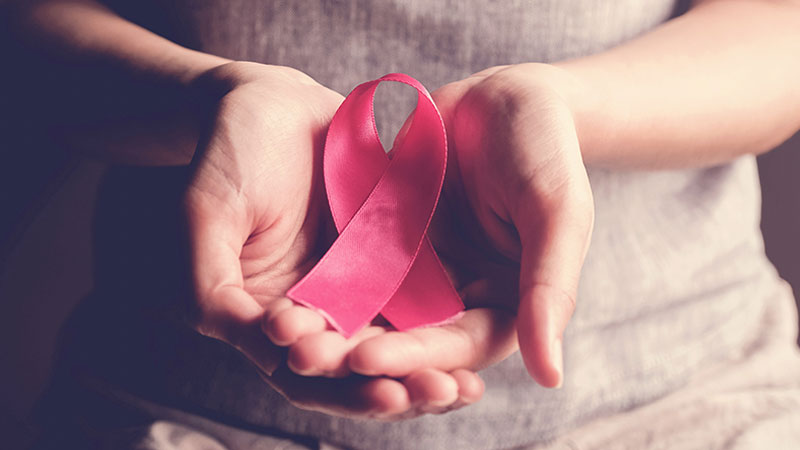
Breast Cancer is the most common cancer among women in South Africa, and it also affects men.
Regular self-examination and mammograms can lead to early detection. The sooner you start treatment the better – it can reduce pain and suffering and can significantly increase your life span.
A breast self-examination is an inspection of your breasts that you do on your own – you use your eyes and hands to determine if there are any changes to the look and feel of your breasts.
It is best to do this at the same time every month. This could be a scheduled calendar date or, if you are a menstruating woman, about 3 to 5 days after your period starts (your breasts are not as tender or lumpy at this time in your monthly cycle.)
If you are concerned about anything, get a professional opinion. You might be referred for clinical screening – usually MRI or ultrasound scans, and/or a mammogram.
Download your Breast Self-Examination Chart
A mammogram is an x-ray of the breast. It is usually done if something suspicious is picked up in the scans, or when a person is considered to be high risk.
Mammograms are also recommended for men and women
- Younger than 40 years of age if there is a family history or specific gene that puts them at risk
- Over 40 years of age
Speak to your healthcare provider to find out more about mammograms –the known benefits, risk and limitations – and how often you should have a mammogram. Most medical aid schemes cover the cost of mammograms from the annual screening benefit.
But in the meantime, do a regular self-examination and book an appointment with your doctor immediately if find something of concern.
Go to the Breast Cancer Awareness Centre on your wellness website, and read more about
- Breast Cancer in men
- Lifestyle risks
- Breast cancer risks you cannot change
- Living with Breast Cancer
INSPIRE. If you have been on this journey personally, or alongside a family member or friend, consider sharing your story in the next One Sun Wellness newsletter. Send an email to karens@lifeassist.co.za – tell it in your own words, or request an interview with one of the writers. You can remain anonymous.