
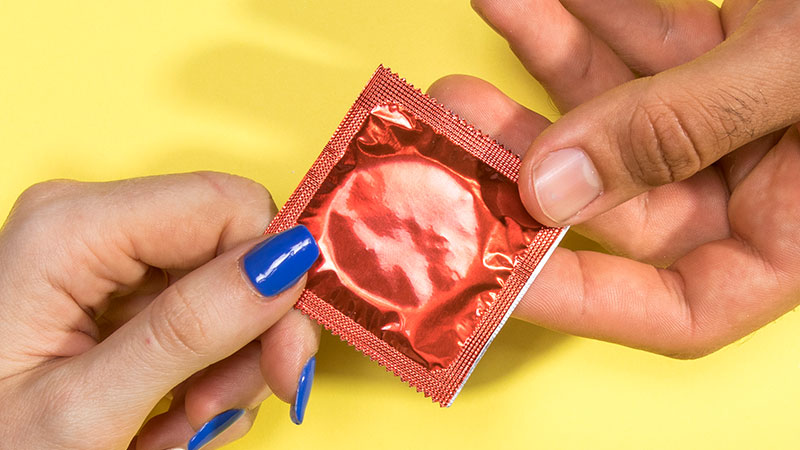
Sex is a natural part of life that offers intimacy and pleasure; but unprotected (without a condom) oral, anal, or vaginal sex can also lead to sexually transmitted infections (STIs), serious health complications, and unplanned pregnancies. Know the basic steps required to protect yourself and your partner/s for a healthier and more satisfying sex life.
Take charge
- Have an honest discussion with your partner about your need for protection before having sex so that you don’t get caught up in the heat of the moment.
- Practice safe sex using a male or female condom.
- Do this unless you are in a committed, trusting, monogamous relationship and have both been tested and cleared for STIs and HIV.
- Know your status: Get screened regularly for STIs and HIV, especially if you have many sexual partners, and even if you don’t have symptoms, as some symptoms of STIs only appear much later, are not curable, and can lead to severe health problems.
- Make sexual health part of your annual physical health check-up and be honest with your healthcare provider about your sexual behaviours so they can give you sound advice on preventative vaccinations, treatment, and protection.
Respect your partner/s
- We all have the right to safe, healthy, and satisfying experiences with partners whether in casual or long-term relationships. This is true even if you’ve had bad experiences with partners in the past.
- Choose partners who appreciate you, and make you feel comfortable, desirable, and safe. You should both respect each other’s boundaries and never pressure or force the other partner to do something.
- Part of respecting each other is ensuring safe sexual practices and being honest about your sexual health.
- You can still enjoy sexual intimacy even if you have been diagnosed with an STI and HIV, if you are upfront and honest, and both you and your partner/s follow the necessary precautions and treatments to avoid cross-infection.
Did you know that couple counselling is available through your EWP at no cost to you, or your family? If you and your intimate partner need professional support to address sexual health or relationship issues, reach out to LifeAssist and get in touch with a health coach or counsellor.