
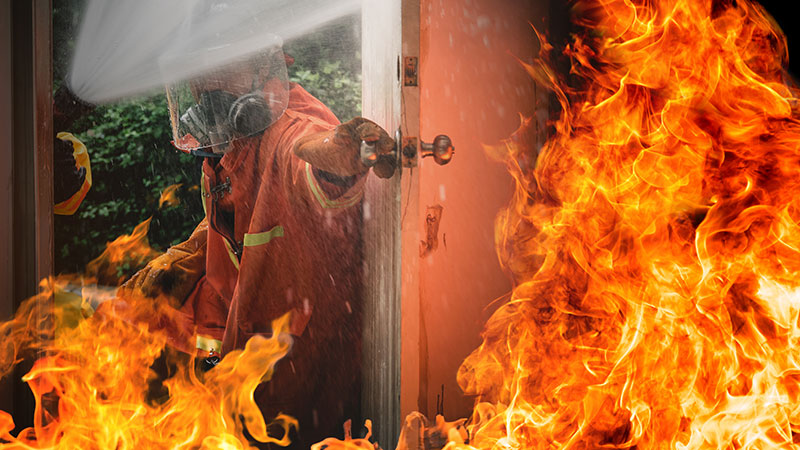
For many of us, fire safety is not a primary concern in our daily routines. It is easy to overlook precautions such as extinguishing candles after periods of load shedding or ensuring the complete dousing of a braai fire. Often, little consideration is given to the potential consequences should a candle be inadvertently knocked over or wind carry embers from a braai onto flammable materials, leading to the risk of a runaway fire.
In South Africa, winter intensifies this danger. Increased use of indoor heating, fireplaces, and electric blankets, combined with dry environmental conditions where a discarded cigarette can ignite vast veld fires, creates a heightened risk environment.
The Medical Research Council reports that 3.2% of South Africans experience burn injuries annually. While 86% are minor, severe cases significantly strain healthcare resources. Recovery can take years, often leaving victims with lifelong disabilities. In Africa, a million children are hospitalised for severe burns yearly, with 6-10% dying and the rest facing permanent scarring.
Burn care is costly, straining resources in countries like South Africa with limited specialised centres. This impacts care quality and contributes to long-term physical and psychological burdens.
Understanding the roots
In developing countries, environmental and socio-economic factors contribute to burn prevalence. Rapid urbanisation, inadequate housing, lack of safe electrification, and widespread paraffin use create fire hazards. Unsafe appliances, contaminated fuel, and lack of regulation contribute to an estimated 45 000 paraffin-related fires and 3 000 deaths annually in low-income households.
Preventing fires: A shared responsibility
Most burns are preventable through fire safety awareness and simple practices at home and work.
Fire Safety in Your Home
Be vigilant with heat sources: Never leave cooking unattended. Keep flammables away from stoves, heaters, and open flames. Use paraffin stoves, candles, and gas appliances with extreme caution.
Childproof your home: Keep matches and lighters out of reach. Supervise children, especially in kitchens and near hot surfaces. Be mindful of hot liquids.
Electrical safety: Avoid overloading sockets and running cords under carpets. Regularly inspect cords for damage.
Electric blanket safety: Always switch off before sleeping or leaving home. Inspect for folds, frays, scorch marks, exposed wires, or buzzing before use, and replace if faulty.
Install and maintain smoke detectors: Have working detectors on every level, test monthly, and replace batteries annually.
Develop and practice an escape plan: Know two exits per room, designate a safe meeting place, and practice with your family.
Handle flammable liquids with care: Store in ventilated areas away from heat. Never use inflammable liquids to start fires or remove stains.
Practice safe smoking: Never smoke in bed or when drowsy. Use sturdy ashtrays and fully extinguish cigarettes. Never discard cigarette stubs from cars.
Fire safety in the workplace
Employers are legally and ethically responsible for a safe environment. Employees must adhere to protocols.
Emergency preparedness: Develop and communicate evacuation plans. Conduct regular fire drills.
Firefighting equipment: Ensure accessible and maintained extinguishers and hoses in vulnerable areas. Mark escape routes.
Training and awareness: Provide comprehensive fire safety training, including equipment use, evacuation, and hazard identification. Ensure trained first aiders and firefighters.
Hazard control: Implement strict protocols for flammable materials, ensure ventilation, and maintain electrical systems.
Legal compliance: Comply with the Occupational Health and Safety Act and relevant fire safety legislation.
What to Do When Fire Strikes
Knowing how to react can save lives:
Stay low to the ground: Smoke and toxic gases rise. Crawl low.
Feel doors before opening: If hot, use another exit.
Communicate: Alert everyone.
Stop, drop, and roll: If clothing catches fire.
Evacuate and stay out: Don’t re-enter until authorities declare it safe.
Call for help: Know and have local fire service numbers accessible.
Fire safety is everyone’s responsibility. It’s not something that won’t happen to you. Choosing to be fire safe today and every day is the responsible way forward.
References:
https://pmc.ncbi.nlm.nih.gov/articles/PMC3187951/
https://www.pvanren.co.za/2021/05/20/ohs-fires-first-aid-and-facilitating-safety-in-the-workplace/
https://childsafe.org.za/fire/
https://childsafe.org.za/media-release-national-burns-awareness-week/