About zara

This author has not yet filled in any details.
So far zara has created 731 blog entries.

Surrounded by people, yet feeling lonely

You may be with family at home or sitting among colleagues at work. Conversations flow around you, phones buzz with messages, and life carries on. Yet that familiar hollow feeling sits heavy in your chest. You feel invisible, disconnected, like you’re watching life through glass.

Sound familiar? You’re not imagining it – and you’re definitely not alone.

Why loneliness strikes when we’re not actually alone

Life stages hit differently. Teenagers struggle with identity whilst craving acceptance. Young adults navigate independence but lack deep friendships. Parents lose themselves in endless responsibilities. Older adults watch their social circles shrink through retirement or loss.

We’re drowning in shallow connections. Hundreds of social media friends, work colleagues, neighbours we wave to – but how many people truly know you? When did you last have a conversation that went beyond small talk?

Responsibilities consume us. Between work deadlines, family duties, and daily survival, we barely have time to think, let alone nurture relationships. We become walking to-do lists, forgetting who we are beneath all those roles.

Everyone else looks sorted. Social media shows us everyone’s highlights whilst we’re living our behind-the-scenes struggles. That comparison leaves us feeling like we’re the only ones falling apart.

Finding your way back

Start with yourself. When did you last do something purely because it brought you joy? Rediscover what makes you tick. Maybe it’s gardening, reading mysteries, or learning guitar. Make space for these things again.

Quality beats quantity every time. Instead of trying to be everyone’s friend, focus on deepening one or two relationships. Send that brave text. Share something real. Be the first to be vulnerable.

Create regular touchpoints. Weekly coffee with a colleague. Monthly dinner with family. Join a book club or hiking group. Consistency builds connection.

Show up differently. Put your phone away during conversations. Ask follow-up questions. Remember what people tell you. Small actions create big shifts in how connected others feel to you.

When loneliness runs deeper
Sometimes the ache goes beyond needing more friends. If loneliness feels overwhelming, persistent, or is affecting your daily life, that’s your signal to seek professional support.

Depression, anxiety, and trauma can make connection feel impossible even when opportunities exist. A counsellor can help you understand these barriers and develop strategies that actually work for your situation.

Your people are out there. Sometimes we just need help finding our way to them.
Reach out to a counsellor at LifeAssist for support.

Loneliness isn’t a character flaw – it’s information. It tells us something important about our need for connection and belonging. The good news? With small, consistent steps, you can transform that isolation into genuine connection.


2026-05-27T10:46:37+00:00

The gift every father can give


This Father’s Day, I’ve been reflecting on what makes a truly exceptional father. It’s not the grand gestures or expensive gifts that leave lasting impact but something far more profound. The fathers who change lives are those who show up fully in every moment that matters.

The art of being present
We live in constant distraction. We’ve watched fathers at playgrounds scrolling through phones while their children desperately try to show them new tricks on the monkey bars. I’ve seen dads at dinner tables physically present but mentally miles away, missing precious conversations that happen between bites of spaghetti.

Showing up fully means bringing your authentic self, undivided attention, and genuine care to every interaction. It’s about quality over quantity, intention over obligation, and presence over presents.

Starting with yourself
The best fathers I know take care of themselves first. Take James, a father of three who gets up at 5:30 AM every morning for a run. His children see this as discipline and purpose, not time taken away from them. When James comes home energised and centred, he has so much more to give his family.

Whether it’s exercise, reading, pursuing hobbies, or processing emotions, fathers who invest in their own growth create a ripple effect. Your children are watching how you treat yourself, learning what self-respect looks like.

Work and home balance
Modern fathers understand that work isn’t just about earning money but about modelling integrity and excellence as well. But they also know how to set boundaries that protect family time, understanding that being present for their children’s milestones is essential.

At home, showing up fully transforms ordinary moments into treasured memories. It’s really listening when your seven-year-old explains their favourite cartoon for the fifth time. It’s putting your phone away during dinner and discovering the fascinating thoughts your teenager shares when they have your complete attention.

Building your village
Strong fathers maintain meaningful friendships. Your children watch how you treat your mates, how you support them through difficulties, and celebrate their victories. They’re learning about loyalty and the kind of friend they want to be.

When you show up for friends by actually appearing at events and offering genuine support, you’re demonstrating that relationships require investment and care 

The beautiful ripple effect
When fathers commit to showing up fully, magic happens. Children feel genuinely valued and secure. Partners feel truly supported. Colleagues respect your integrity. Friends know they can count on you.

This Father’s Day, consider giving yourself and those you love the greatest gift possible: the gift of your full presence. You don’t need to be perfect; you just need to be genuinely engaged and willing to grow.

To all the dads reading this: your efforts to show up fully matter more than you’ll ever know. Happy Father’s Day. If you are having difficulties connecting in your relationships, give LifeAssist a call. A professional counsellor will help you get back on track.

2026-05-28T07:03:48+00:00

Your future is watching what you do right now

You could be flashing past in a BMW today — or quietly building towards the paid-off home, the freedom to travel, and the kind of life that feels effortless at 60. Which one are you choosing? Because every decision you make starts closing doors on the other version of your life.

This isn’t about killing the vibe. It’s about upgrading it. Being young doesn’t mean reckless. It means you have time on your side — and that is genuinely the most powerful asset you will ever have.

Flex culture is loud. Smart money is quiet.
Compound interest is magic you can actually control. Small amounts, invested consistently, don’t just grow — they multiply. A Tax-Free Savings Account (TFSA) is one of the simplest ways to start. Your money grows completely free from tax on interest, dividends, and capital gains. The annual contribution limit is R46,000, with a R500,000 lifetime cap — and if you exceed either, SARS hits you with a 40% penalty on the excess.

One important catch: withdrawals don’t reset your limits. That space is gone permanently, so treat it as a long-term investment, not a rainy-day fund. Set up a debit order, automate it, and leave it alone to grow.

The real question isn’t “can I afford this now?” It’s “what is this costing my future?”

Emotional discipline is your unfair advantage.
You won’t out-earn your emotional patterns.

The patterns you don’t deal with now don’t disappear — they follow you into relationships, into work, into every decision you make. You don’t wake up confident, grounded, and self-aware. You build it. You sit with the uncomfortable stuff. You stop outsourcing blame and start taking responsibility for how you show up — and where you need to draw healthy boundaries.

Do the work now. Build emotional strength with the same consistency you’d build anything else that matters.

Your body keeps the score.
Late nights, bad habits, no routine — it feels manageable until it isn’t.

Your body carries you through every version of your life. How you treat it now shows up later in your energy, your focus, your confidence. Move it. Eat like you respect yourself. Sleep like it actually matters. And wear sunscreen — not because someone told you to, but because your future self will be living in the skin you’re either protecting or neglecting right now.

You don’t need extremes. You need consistency.

Build something that outlasts the moment.
Trends move. Status shifts. What looks impressive today is irrelevant tomorrow. But discipline compounds. Self-respect deepens. Smart decisions stack.

You don’t have to disappear from your life to build something meaningful — you just have to be intentional within it. Spend, but don’t perform. Enjoy, but don’t escape. Show up, but don’t lose yourself trying to be seen.

The goal isn’t to look like you’ve made it. It’s to actually arrive there — with options, freedom, and a life that still works long after the moment has passed.

Get in touch with a life coach at LifeAssist and talk through your plans. Professional coaching at no cost to you.

2026-05-29T11:35:24+00:00

Get Spicy Before the Winter

Your spice rack is about to become your best friend. Winter’s on its way, and with it comes the usual suspects—sniffles, sore throats, and that run-down feeling that hangs around until spring. But before you resign yourself to a season of tissues and throat lozenges, there’s something in your kitchen cupboard that might help.

Those spice jars you bought with good intentions and forgot about? Time to dust them off.

Why spices actually matter
For centuries, cultures around the world have used spices not just for flavour but for function. Modern research backs this up—many common spices have genuine anti-inflammatory, antioxidant, and immune-supporting properties.

The best part? A little goes a long way.

Your winter spice lineup

  • Turmeric — The golden one. Contains curcumin, known for its anti-inflammatory effects. Pair it with black pepper to help your body absorb the good stuff.
  • Ginger — Warming and brilliant for digestion. Has antimicrobial properties and helps ease nausea.
  • Cinnamon — Loaded with antioxidants and may help regulate blood sugar. More than just a baking spice.
  • Garlic — Supports immune function and adds depth to almost any savoury dish. Fresh is best—crush it and let it sit a few minutes before cooking.
  • Cayenne — Helps clear congestion and boost circulation. A pinch in soups or stews does the trick.

Morning immunity tea
Start your day with this five-minute brew that tastes like a warm hug.

Boil a cup of water and pour it over 1 teaspoon of freshly grated ginger, ¼ teaspoon turmeric, and a small pinch of black pepper. Let it steep for 3–4 minutes. Squeeze in half a lemon and stir through a teaspoon of raw honey once it’s cool enough to drink.

Sip slowly. You’ve already done something good for yourself today.

It’s not just about what you eat
Building resilience for winter isn’t only physical. Stress, poor sleep, and running on empty all take a toll on your immune system. Sometimes the best thing you can do for your health is slow down and ask for support.

If you’re feeling overwhelmed, burnt out, or just not yourself lately, a LifeAssist counsellor is here to help. Looking after your wellbeing means more than nutrition—it’s your mind, your energy, and your peace of mind too. You don’t have to push through winter alone.

2026-04-29T14:58:11+00:00

Go Ahead, Laugh It Off

There’s a reason nobody ever said, “I really regret that belly laugh.”

Think about the last time you properly laughed. Not a polite chuckle in a meeting or a courtesy “ha” at your colleague’s pun. We’re talking the kind of laugh that made your eyes water, your stomach ache, and possibly caused a little snort to escape. Remember how good that felt?

World Laughter Day rolls around every first Sunday of May, and honestly? It might be the most underrated wellness reminder on the calendar.

Your Body on Laughter
Here’s something wild: your brain can’t actually tell the difference between genuine laughter and the fake stuff. Start forcing a laugh, and within seconds, your body responds as if something hilarious just happened.

When you laugh, stress hormones take a nosedive. Cortisol? Down. Adrenaline? Dropping. Meanwhile, endorphins flood your system like they’re late to a party and trying to make up for it. Blood flow improves. Your immune system perks up. Even your pain tolerance increases.

Not bad for something that requires zero gym memberships or meal prep.

Benefits Worth Knowing

  • It’s social glue. Shared laughter creates bonds faster than almost any other human interaction.
  • It shifts perspective. Problems seem smaller after a good laugh—that’s your nervous system resetting.
  • It’s contagious in the best way. Unlike that cold going around the office, this is worth catching.
  • It helps you sleep. A good laugh relaxes muscles and quiets the mental chatter keeping you up at night.

The Case for Lightening Up
Modern life makes everything feel terribly serious. Deadlines. KPIs. The endless scroll of news. Somewhere along the way, many of us forgot that taking things lightly isn’t the same as not taking them seriously.

You can care deeply about your responsibilities and still send that silly meme to your team chat. Lightening up isn’t about ignoring difficulties. It’s about refusing to let them steal every moment of your day.

When Laughter Feels Out of Reach
Sometimes, though, the laughs just won’t come. And that’s okay too.

If you’ve been feeling persistently low, disconnected, or like the colour has drained from things you used to enjoy—that’s worth paying attention to. These feelings don’t make you weak. They make you human.

If  you’re struggling to find the light, please reach out. Connect with a LifeAssist counsellor who can help you work through what you’re experiencing. You don’t have to figure it out alone, and brighter days are absolutely possible.

2026-04-29T14:54:37+00:00

Effective conversations with teens about vaping

The old playbook for parenting—catch them in the act, confiscate the device, and ground them for a month—is failing when it comes to vaping. Why? Because vaping isn’t just a behavioural rebellion like staying out past curfew; it is a chemical entanglement.

Modern parenting requires a shift from “Policeman” to “Coach.” If we want to help our kids navigate a world designed to hook them, we need to talk less about rules and more about autonomy, habits, and the brain.

Here is a guide to the new conversation.

1. The “Curiosity First” Approach

The moment a teenager feels judged, the wall goes up. The “Ally Approach” relies on keeping the bridge intact so your child feels safe coming to you when they realise they are in over their head.

Instead of a sit-down lecture, utilise “Top of Mind” moments—casual opportunities that arise naturally:

  • The TV Trigger: If a character vapes in a show, ask, “That seems so common now. Do you see a lot of that at school?”
  • The Vape Shop: When driving past a vape shop, ask, “That packaging looks more like sweets than something for adults. Why do you think it’s designed that way?”

The Goal: Gather intel on their exposure and curiosity without making them feel interrogated.

2. Reframing the Argument: Autonomy vs. Manipulation
Teens often tune out health warnings (“It will hurt your lungs in 30 years”). However, they care deeply about freedom and independence. The most innovative argument you can make isn’t medical; it’s psychological.

Shift the focus to Corporate Manipulation:

  • The “User” Label: Explain that tech and tobacco companies call their customers “users”—a term otherwise only used for drug addicts. Ask them if they like being a statistic on a spreadsheet.
  • The Loss of Choice: Frame addiction not as “being bad,” but as “losing power.”
    • The Argument: “When you have to hit a vape to feel normal before 10 AM, you aren’t making a choice anymore. The device is choosing for you. Do you want to be the master of your own mood, or let a chemical dictate it?”

3. Breaking the Habit Loop
It is vital to discuss habits as “invisible masters.” Vaping is often a coping mechanism for stress or social anxiety. If you take away the vape without addressing the habit loop, the child is left with the stress and no way to soothe it.

Discuss the “Why”:

  • Are they vaping to fit in?
  • Are they vaping to get a “buzz”?
  • Are they vaping because they feel anxious?

By understanding the trigger, you can help them find a healthy replacement rather than just leaving a void.

4. Walk the Talk: The Harm Reduction Strategy
This is the hardest part for many parents: If your child is addicted, a cold-turkey ban often sets them up to fail.

Nicotine withdrawal causes irritability, anxiety, and headaches. If you confiscate the device and scream, you are removing their coping mechanism while spiking their stress—a recipe for secret relapse.

The “Step-Down” Plan
Treat this like a medical recovery. Be prepared to help them quit by reducing the dependency gradually:

  • Measure the mg: Look at the label – or Google the specs. If they are on 5% (50mg) nicotine, that is incredibly high.
  • The Taper: Agree on a plan to switch to 3% (30mg), then 1.5%, then 0% over a set period (e.g., 6 weeks).
  • Financial Incentive: Calculate how much they spend on pods/disposables. Offer to match that amount in cash or savings if they stick to the taper plan.

5. Be the Ally, Not the Enemy
Finally, parents must “walk the talk.” If you rely on wine to de-stress or caffeine to function, acknowledge your own habit loops. Vulnerability builds connection and trust.

The “Ally” Vow:
“I am not here to punish you for getting hooked on something that was designed by geniuses to hook you. I am here to help you get your brain back. Let’s figure out a plan to get you off this stuff so you don’t have to depend on it.”

Summary Checklist for Parents

  • Stop Lecturing: Ask open-ended questions about their world.
  • Focus on Freedom: Argue that vaping steals their autonomy/choice.
  • Acknowledge Addiction: Accept that they may need help (tapering) to stop physically.
  • Plan the Quit: Create a schedule to reduce nicotine intake together.

LifeAssist can help you and your teen navigate addiction with a team of professional counsellors. You don’t have to do this alone.

2026-04-29T15:00:05+00:00

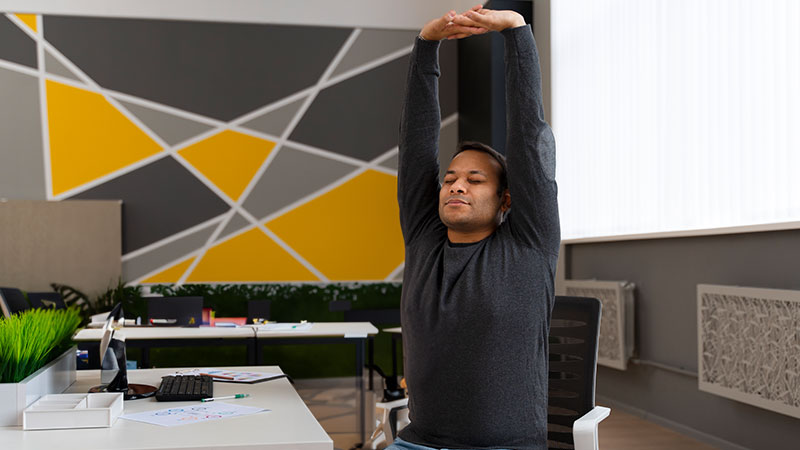
Are you ready for the 7-minute chair yoga challenge?

You don’t need a mat. You don’t need a gym.
You don’t even need stretchy pants.

What you do need? A chair. Seven minutes. And the mindset to say, “Let’s go.”

Chair yoga is having a moment – and it’s about time.
This isn’t slow, sleepy stretching. It’s smart, safe, and surprisingly effective. Designed to loosen your body, wake up your mind and shift your energy fast.

Feeling stiff? Foggy? Fidgety?
This is your new secret weapon.

Why chair yoga?
Because it delivers.
You’ll stretch out tension, activate your muscles, and reset your focus — all from your chair (with a few standing moves for extra kick).

  • Mobility: Unlock stiff hips, shoulders, ankles and back.
  • Strength: Activate your core, legs and arms without weights.
  • Focus: Use it in the morning to centre your brain or at lunchtime to power up again.
  • Calm: Slow, steady breathing signals your nervous system to cool down.
  • Confidence: No complex poses. Just movement that works.

Built for your real life

  • At your desk before a big meeting
  • Midday when stress hits and your back is screaming
  • As a reset instead of another coffee
  • While you watching TV

If you can sit, you can do this. If you can breathe, you’ll feel the shift.

Take the 7-minute challenge
We’ve created a quick, energising routine backed by Biokineticists — designed to help you feel better in your body and brighter in your head. Whether you’re 25 or 75, this is movement that meets you where you are.

No pressure. No push-ups.
Just 7 minutes to shift your mood and your muscles.

DOWNLOAD HERE >

Want to go deeper?
If you’re recovering from injury, managing chronic pain, or need a tailored plan, LifeAssist Biokineticists are here to help. They’ll guide you with safe, practical steps — built around your body, your needs and your goals.

So… are you in?
One chair. Seven minutes. All the difference.

2026-04-30T09:54:03+00:00

Mother’s guilt is real


No one warns you that “mum” comes with a side order of constant second-guessing.

Mother’s Day arrives with flowers, breakfast in bed (if you’re lucky), and handmade cards covered in glitter. It’s lovely.

But for many mums, there’s another guest at the table that never got an invitation: guilt.

You never see mum guilt coming. One day it’s just there, sitting in the back of your mind like it belongs. It’s there when you need to work and miss a sports match. When you lose your temper over something small. When you hand them a screen because you desperately need ten minutes of silence. When you don’t hand them a screen and wonder if they’re missing out on digital skills.

It’s the impossible maths of never feeling like you are enough, no matter how much you give.

And Mother’s Day, ironically, can amplify it. All those posts about “the best mum ever” can leave you quietly wondering why you feel like you’re just winging it most days.

Where does it come from?

  • Unrealistic standards. Social media serves up glossy highlight reels of motherhood that look nothing like the 6am cereal negotiations in your kitchen.
  • The mental load. Mums often carry invisible labour—remembering appointments, tracking shoe sizes, knowing who’s fighting with whom at school. It’s exhausting, and there’s guilt for feeling exhausted.
  • Identity shifts. Somewhere between nappies and school runs, many women lose sight of who they were before “mum” became their primary title. Wanting that back can feel selfish. (It isn’t.)
  • Comparison. Other mums seem calmer, more patient, more… together. Spoiler: they’re probably thinking the same about you.

What if guilt isn’t the whole story?
Here’s a thought worth sitting with: guilt often shows up precisely because you care so deeply. It’s not proof that you’re failing. It’s proof that you’re paying attention.

Perfection is a myth that sells magazines and keeps comparison culture thriving. The goal isn’t to be a perfect mother. The goal is to be a present one—even imperfectly, even on the hard days.

You deserve support too
This Mother’s Day, we celebrate everything mums give. But giving endlessly without refilling your own cup? That’s not sustainable.

You spend so much time looking after everyone else—you deserve that same care.

If the weight of guilt, exhaustion, or overwhelm has become too heavy to carry alone, please know that help exists. Reach out and connect with a LifeAssist counsellor, support is just a conversation away.

2026-04-29T14:00:56+00:00

JUNE 2026

Men’s Health Month (RSA)
National Youth Month (RSA)
National Blood Donor Month (RSA)
Int. LGBTIQ Pride Month

1 Int Children’s Day
5 World Environment Day
7 Int. Cancer Survivors Day
7 World Food Safety Day
8 World Oceans Day
13 Global Wellness Day
14 World Blood Donor Day
15 World Elder Abuse Awareness Day
16 National Youth Day (RSA)
18 Int Panic Awareness Day
20 World Productivity Day
21 Father’s Day (RSA)
21 World Music Day
22- 27 SANCA Drug Awareness Week
24 -30 World Wellbeing Week
24 June – 24 July: Self-Care Month (WHO)
25 World Vitiligo Day
26 International Day Against Drug Abuse and Illicit Trafficking

2026-05-28T07:00:19+00:00

MAY 2026

Anti-Tobacco Campaign Month (RSA)
Burns Awareness Month (RSA)
Global Employee Health & Fitness Month
Int. Multiple Sclerosis Month

1 Int. Worker’s Day
3 World Laughter Day
4-8 Hospice Week (RSA)
5 World Hand Hygiene Day
5 World Asthma Day
5-9 National Burns Awareness Week (RSA)
6 Int.No-Diet Day
6 World Maternal Mental Health Day
8 World Red Cross Day
10 Global Move for Health Day
10 World Lupus Day
10 Mother’s Day (RSA)
12 Int Day for Chronic Immunological and Neurological Diseases
12 Int. Chronic Fatigue Syndrome Day
12 Int. Nurses Day
17 World Hypertension Day
25 Int. Missing Children’s Day
25 World Thyroid Day
25/5 – 1/6 Child Protection Week (RSA)
28 World Hunger Day
29 World Digestive Health Day
30 World MS (Multiple Schlerosis) Day
31 World No Tobacco Day

2026-04-28T11:50:13+00:00
Go to Top